In waste management, rear loader garbage trucks are core equipment for urban sanitation. Rear loader garbage truck maintenance is key to ensuring their reliable operation and avoiding costly unscheduled repairs. Implementing a scientific preventive plan is crucial. It reduces wear, extends vehicle life, and helps achieve optimal cost-effectiveness in your operations.
Like all specialized trucks, rear loaders require focused maintenance. Attention must be paid to their complex body mechanisms and hydraulic systems. The following tiered rear loader garbage truck maintenance guidelines will help fleet managers establish structured and effective care procedures.
Table of Contents
Tier 1: Daily Rear Loader Garbage Truck Maintenance
Quick inspections and cleaning before and after daily operations form the first line of defense against failures.
Comprehensive Leak Check: Walk around the vehicle to check for signs of oil, coolant, air, or electrical leaks. Address any issues immediately.
Functional Test: Verify that all lights, gauges, horns, control switches, and hydraulic valves operate correctly.
Fastener Tightness: Check all connections on the body, bin, and compaction mechanism for looseness. Tighten as needed.
Control Calibration: Ensure all levers and buttons operate smoothly and accurately; adjust if necessary.
Post-Startup Monitoring: After engine start, listen for unusual noises or odors. Shut down and investigate if any anomalies are detected.
Post-Operation Cleaning: Thoroughly clean the vehicle interior and exterior, especially residues from the wastewater tank, hopper, and mating surfaces, to prevent corrosion.
Tier 2: Primary Maintenance (100-Hour Service)
After approximately 100 cumulative operating hours, perform maintenance focused on tightening and lubrication.
Systematic Tightening: Inspect and tighten all mechanical connections systematically.
Critical Point Lubrication: Apply sufficient grease to all moving joints, push panels, and slide rails.
Power System Check: Verify smooth engagement/disengagement of the Power Take-Off (PTO). Inspect the operational status of key components such as the hydraulic pump and control valves.
Tier 3: Secondary Maintenance (500-Hour Service)
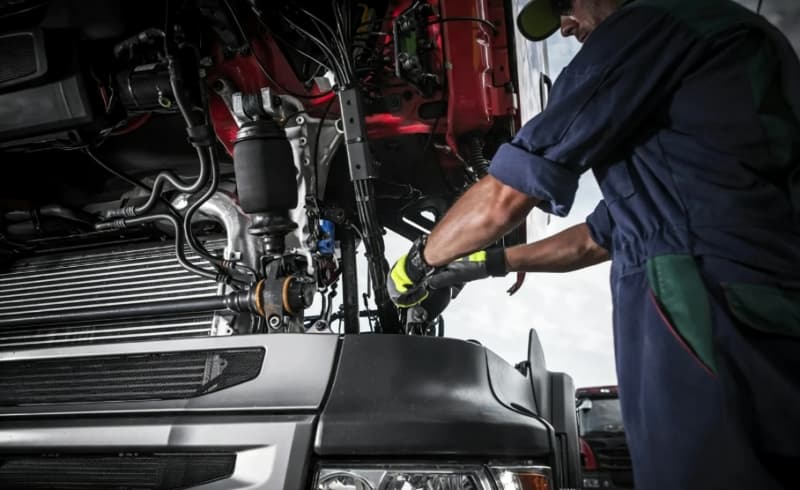
After approximately 500 cumulative operating hours, conduct more thorough inspections and component replacements.
Mechanism Wear Check: Examine the push blade, scraper, and other operating devices for deformation or excessive wear. Repair or replace as needed.
Seal Inspection: Check the condition of the rear door packing seal to ensure proper sealing and prevent leakage.
Hydraulic System Maintenance: Clean the suction filter and replace the return filter element.
System Performance Test: Verify that hydraulic system pressure and flow meet specifications, and calibrate cycle times for compaction and unloading actions.
Tier 4: Comprehensive Maintenance (1500-Hour Service)
Perform a comprehensive overhaul approximately every 1500 operating hours or annually to thoroughly eliminate potential failures.
Structural Integrity Inspection: Inspect welds on all critical load-bearing components such as the frame and body. Reinforce or reweld if necessary.
Hydraulic Oil Replacement: Clean the hydraulic oil tank, filters, and lines thoroughly. Replace all hydraulic oil with fluid that meets relevant industry standards, such as hydraulic oil conforming to SAE J standards or ISO 11158 standards.
Full System Diagnostics: Conduct comprehensive checks on the rear loader truck vehicle’s electrical, hydraulic, and transmission systems to identify and resolve potential issues.
What’s Next?
Consistent implementation of this Preventive Maintenance plan maximizes the reliability and uptime of your rear loader waste collection vehicles. Choosing an experienced service team and using genuine parts for regular maintenance is the wisest investment for controlling long-term operating costs and optimizing fleet management efficiency.
We not only offer a range of reliable garbage trucks for sale but are also committed to providing professional support and knowledge sharing throughout the entire vehicle lifecycle, helping your business operate steadily and grow sustainably. Ready to elevate your fleet’s efficiency and reliability? Contact us today for a detailed quote and consultation.