The UK, especially London, leads in low-emission policies. It started with the first Low Emission Zone in 2008, and has since pioneered the new energy vehicles emission zone model. Now, it has become the largest Ultra Low Emission Zone network in the world. This shift has changed urban transport because of new energy commercial vehicles. It’s a complex project involving technology, economics, social equity, and politics. The key question is: how do we redefine mobility, health, and public space today?
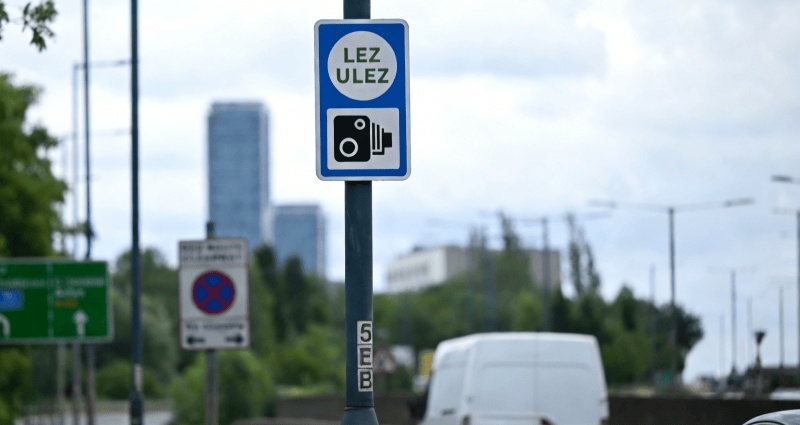
Table of Contents
Dual-Zone Strategy: From Electric Trucks to Every Vehicle
The UK’s emissions zone system is a well-planned network with 13 low-emission zones (LEZ, CAZ, ZEZ). London’s “dual-zone system” highlights this policy’s evolution. Low Emission Zone (LEZ): Started in 2008, this policy focuses on heavy-duty diesel vehicles, such as trucks and buses. Its goal is to cut pollution by regulating a small number of high-emission vehicles. The LEZ covers almost all of Greater London and runs 24/7.
Ultra-Low Emission Zone (ULEZ): Introduced in 2019, this upgrade is more ambitious. It regulates all motor vehicles, including private cars and motorcycles. Emission standards are tougher now. Gasoline vehicles need to meet Euro 4 standards. Diesel vehicles must meet Euro 6. All vehicles that do not comply must pay a daily charge of £12.50 to enter the zone. There are no fee exemptions, so failing to pay will result in fines.
In August 2023, Mayor Sadiq Khan expanded the Ultra Low Emission Zone (ULEZ), transforming London into a city-wide new energy vehicles emission zone. Now covering all London boroughs, this change affects over 9 million residents and establishes the world’s largest urban pollution control zone. The decision was driven by alarming health data and the World Health Organization’s warning that no level of air pollution is safe—a standard exceeded in many London neighborhoods.
Data’s Dual Truth: Progress and Dispute
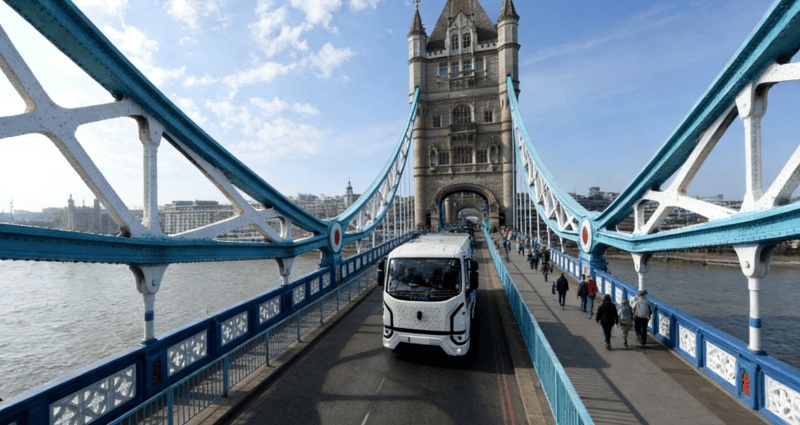
One year after the ULEZ expansion, the London City Government shared key results:
- Air Quality Improvement: Nitrogen dioxide levels on outer London roads fell by 4.8%. It is compared to a situation without the policy. Since 2019, harmful nitrogen dioxide levels in London have been estimated to be 27% lower. In central London, this figure reaches 54%.
- Rapid Fleet Cleanup: The percentage of vehicles meeting ULEZ standards rose from 39% in 2017 to 96.7% by 2024. Almost 100,000 high-polluting vehicles will leave London’s streets every day in a few years.
- Equitable Health Benefits: The policy focused on social equity. The report shows that illegal pollution dropped by about 80% in some low-income areas of London near major roads. Cleaner air benefits vulnerable populations.
However, the path hasn’t been smooth. The ULEZ expansion sparked intense public debate. Critics labeled it a “punitive tax” that disproportionately burdens ordinary drivers, small businesses, and low-income groups—especially amid the ongoing cost-of-living crisis. Many also expressed concern that the policy, seen as a strict new energy vehicles emission zone measure, would harm the economy of outer London.
Yet follow-up data tells a different story. A year after the expansion, visitor and worker numbers in outer London increased. A slight drop in consumer spending matched broader trends in London and England. It shows no unique negative impact from ULEZ. Transport for London provided scrappage grants up to £9,500. This helps small businesses and individuals switch to cleaner vehicles.
Beyond London: A Puzzle-Like Panorama of the UK
The UK’s low-carbon transition isn’t just a London effort; it’s a nationwide push.
Scotland’s “Ban” Model: Glasgow, Aberdeen, Dundee, and Edinburgh have adopted strict measures. Their low-emission zones outright ban non-compliant vehicles, with no daily fee option. This reflects a zero-tolerance approach.
England’s “Charge” Model: Cities like Bath and Birmingham. Bristol has established “Clean Air Zones,” managing compliance through charges on non-compliant vehicles. Some cities, such as Bath, exempt private cars. They focus instead on commercial vehicles like vans and taxis.
Oxford’s Pioneering “Zero-Emission” Trial: Oxford city center is testing a “zero-emission zone.” Allowing only vehicles with zero tailpipe emissions. This aligns with the UK’s 2035 goal to ban new fossil fuel vehicle sales.
This varied approach matches expert Ding Guangchang’s advice: create phased, tailored low-emission zones.
Breathing Space: The Zero-Emissions Journey
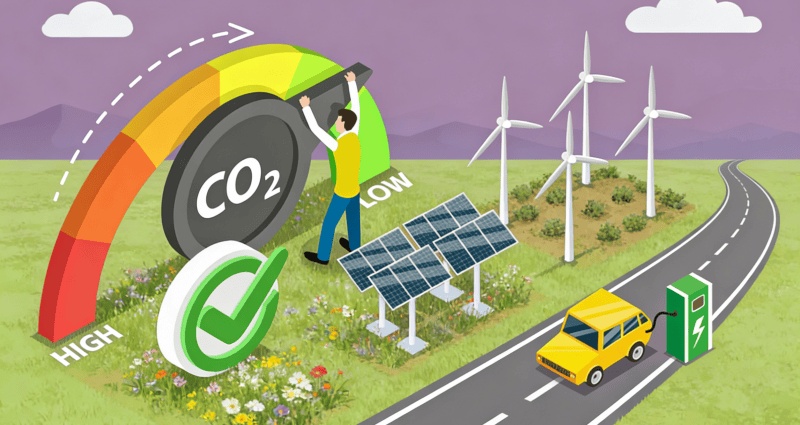
London aims to be a “zero-carbon city” by 2050. The Low Emission Zone is the first step.
The current ULEZ cuts nitrogen oxides and particulate matter. However, its effect on carbon dioxide emissions is small, around 2%. Real zero-emission transport means shifting from “clean energy vehicles” to electric and hydrogen fuel cell vehicles. It also means reducing our reliance on cars.
Policymakers recognize that changing fuels alone isn’t enough. London will start local zero-emission zones by 2025 and will expand them later. They plan to turn temporary bike lanes and car-free zones into permanent features. This will enhance public transport and build a safer cycling network.
The journey from LEZ to ULEZ shows a city reinventing itself. It uses data to craft policies and guide behavior with economic incentives. And balances fairness and efficiency. The result is cleaner air. It also highlights urban ownership, public health, and social responsibility.
This battle to reshape the city’s environment continues. Behind every new energy vehicles emission zone sign lies a reflection on modern civilization’s challenges. Success isn’t measured only by pollution levels; it’s also seen in every citizen breathing freely on city streets.
Driven by policy, the shift to new energy commercial vehicles is now essential. Their major advantage is a lower Total Cost of Ownership (TCO). Saving operators over $10,000 per vehicle each year.
These vehicles ensure compliance with strict low-emission zone standards. Avoiding daily fees and guaranteeing urban access. With practical ranges, fast charging, and smart features. They are ready for real-world logistics.
Conclusion: New Energy Vehicles Emission Zone
London’s transition from LEZ to ULEZ—and its role as a blueprint for new energy vehicles emission zones—demonstrates how data-driven policy-making, economic incentives to guide behavior, and balancing equity with efficiency can be achieved.
This initiative is not merely about reducing pollution figures; it signifies that every citizen can breathe freely within the city, reflecting a profound consideration for public health, urban belonging, and social responsibility. Driven by such policy frameworks, new energy commercial vehicles are becoming a key choice for logistics operators due to their lower total cost of ownership and guaranteed urban access.
Ready to drive change? Contact us today for a tailored clean mobility solution and join the transition to sustainable urban logistics.