High pressure cleaning trucks are really changing how Kenya deals with dust. Big tank, strong spray, high‑pressure pump – all in one vehicle. One truck makes a big difference. Another truck on another site does too.
Dust is a serious problem across Kenyan cities, industrial parks, mines, and construction sites. With all the new roads and buildings going up, tons of dust get kicked up every day. The dry season makes it worse – bad air, health risks, unsafe roads, and a damaged environment.
For local governments and contractors, dust isn’t just ugly. Too much dust cuts visibility, hurts people’s lungs, wears out machines, and scares off investors. Old manual cleaning can’t keep up.
That’s where a high pressure cleaning truck comes in. It knocks down dust, washes roads, and saves money. For cities, industrial parks, mines, and contractors – cleaner roads, safer sites, healthier communities. Below, we look at what causes dust in Kenya and seven ways this truck can help.
Table of Contents
Why Dust Pollution Is a Serious Problem in Kenya?
Kenya has experienced significant economic growth and infrastructure development over the past decade. New roads, industrial zones, residential developments, and logistics facilities have created growth opportunities, but they have also increased dust generation.
1. Rapid Urban Development Creates More Dust
Cities like Nairobi, Mombasa, Kisumu, and Nakuru just keep growing. New roads go in. Land gets cleared. Buildings go up. Loose soil and construction materials get left out in the open. Then wind and traffic do the rest. Vehicles roll through. Dust flies up. Before you know it, the whole neighborhood is covered.
If you don’t control dust, construction can cause problems. Nearby businesses get hurt. Schools, hospitals, and homes are affected too. The UN Environment Programme and the Stockholm Environment Institute have a warning. Cities like Nairobi need to use air quality data in urban planning. That’s how they can tackle pollution from construction and traffic.
2. Dry Weather Conditions Increase Airborne Dust
Large parts of Kenya go through long dry seasons. When you don’t get rain for weeks, roads and open spaces become incredibly dusty. Even paved roads get coated with fine dust – partly from vehicles stirring it up, and partly from nearby construction sites. Then once that dust settles, the next car or truck comes along and sends it right back into the air. It’s a never‑ending loop: dust falls, traffic kicks it up, and the air just stays dirty.
3. Industrial and Mining Activities Generate Dust
Mines, quarries, cement plants, industrial parks, and logistics centers – these places really kick up a lot of dust. You’ve got heavy machinery moving around, materials being loaded and unloaded, trucks coming and going. All of that creates fine dust particles. And if you don’t do something to control them, those particles can travel surprisingly far. So keeping dust under control isn’t just about protecting the environment. It’s also about keeping workers safe and staying on the right side of the rules.
How a High Pressure Cleaning Truck Suppresses Dust?
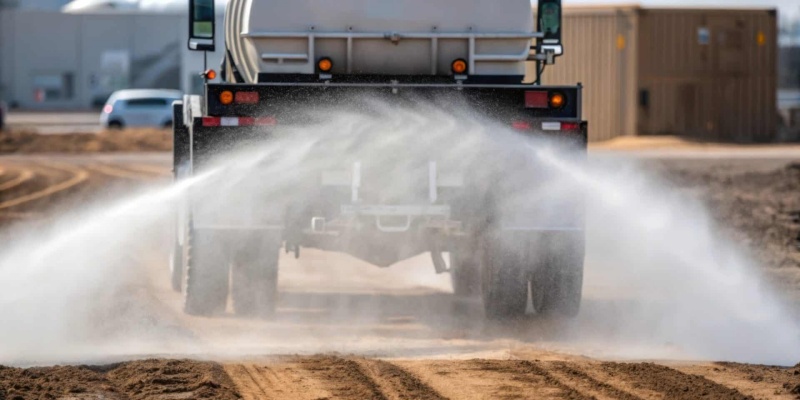
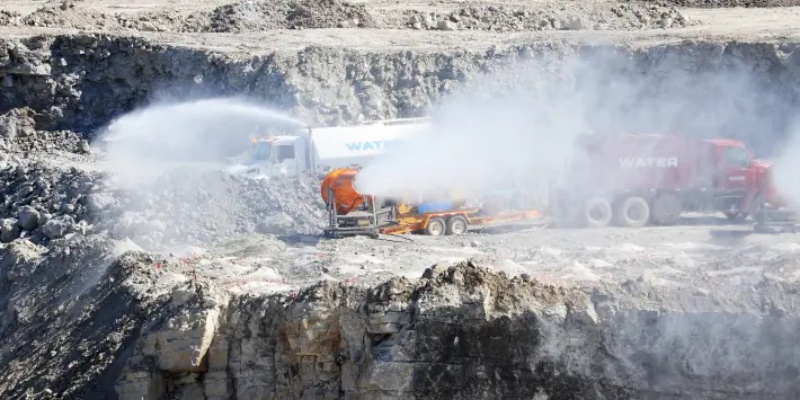
A high pressure cleaning truck controls dust with water spray and road washing. It covers large areas quickly and works well on city streets and construction sites. The truck suppresses dust in three ways:
1. Road washing (removes dust before airborne)
Wash dust off the road before it flies up. The truck uses strong water jets to flush away dust, sand, and debris. Then passing cars won’t kick dust back into the air. Regular road washing keeps streets cleaner and reduces fine particles. Many cities say road washing helps the environment and makes residents happier.
2. Continuous moisture (keeps surfaces damp)
Construction sites create a lot of dust. Earthmoving, transport, excavation, and demolition all add dust. The truck keeps access roads and work zones damp. This stops wind and vehicles from stirring up dust. The truck also cleans tires and access roads. This prevents dirt from drying out and becoming airborne. Contractors get cleaner sites and safer nearby roads.
3. Water spraying for air quality
Water spraying improves air quality directly. The truck’s spray captures dust already in the air. This helps around construction zones, busy roads, and demolition sites. Less dust reaches nearby neighborhoods. Contractors also meet environmental rules more easily. Many large projects require dust management plans. The truck’s spraying shows responsible site management and lowers urban particle levels.
Benefits
- Cleaner roads and public spaces
- Less airborne dust
- Easier environmental compliance for construction sites
- Happier residents and communities
| Cleaning Method | Monthly Cost (Estimated) | Coverage Area | Effect Durability |
| Manual Cleaning | KES 20,000 | Low | Poor |
| Regular Water Truck | KES 150,000 | Medium | Short-term |
| High-pressure Cleaning Truck | KES 150,000 | High | Long-term |
Cleaning Trucks for Continuous Dust Suppression
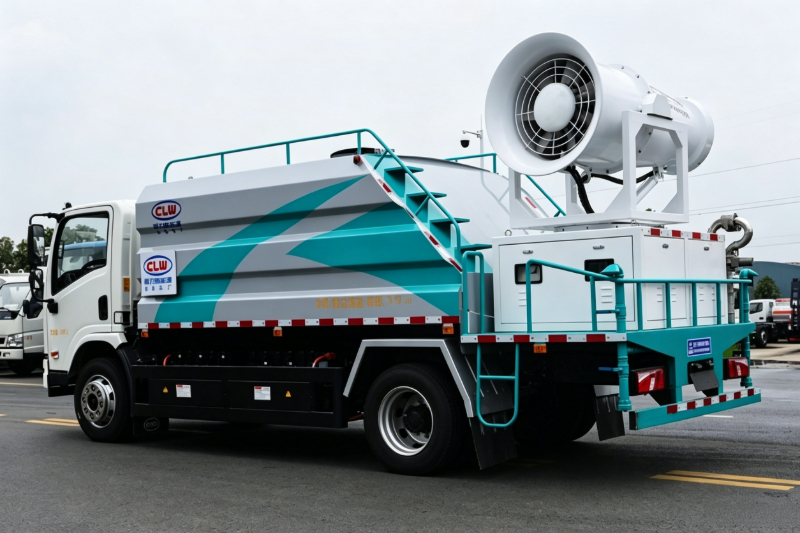
Dust suppression works best this way. Road surfaces should stay slightly moist. High pressure cleaning trucks can do this. They spray water in a controlled way. They cover roads, industrial areas, and construction sites. This stops dust particles from becoming airborne.
Manual watering is uneven. These trucks spread water evenly. They do it efficiently, too. Operators can adjust water flow. They adjust based on road conditions, weather, and needs.
This flexibility matters a lot. Kenya has dry seasons. During those seasons, dust levels go up dramatically. That’s when flexibility is especially important.
Water Spraying Improves Air Quality
Dust particles can cause breathing problems. They may lead to coughing. They can also trigger asthma. This is especially true for workers. Many workers stay on dusty sites for hours. This is also true for residents. Some residents live near polluted areas. They breathe dusty air every day. A high pressure cleaning truck helps with dust suppression. It keeps dust levels low. It reduces the amount of dust in the air. Less dust means fewer health problems.
Better air quality helps public health. People get sick less often. A high pressure cleaning truck makes the air cleaner. Better air quality also helps worker productivity. Workers feel healthier. They miss fewer workdays. They can focus better on their jobs. Finally, better air quality improves overall quality of life. People can breathe easier. They can enjoy outdoor activities. They worry less about pollution.
Benefits:
- Better air quality
- Reduced respiratory health risks
- Improved workplace safety
- Enhanced community well-being
Mining and Industrial Operations Benefit from High Pressure Cleaning Trucks
Mining and industrial facilities face unique dust control challenges due to continuous vehicle movement and material handling activities.
1. Dust Control on Haul Roads
Mining haul roads produce a lot of dust. Heavy trucks drive over dry surfaces. They kick up large amounts of dust.
A high pressure cleaning truck can spray these roads. It can also clean them. This reduces dust levels. It also improves visibility for equipment operators
2. Cleaner Industrial Parks
Industrial parks have warehouses. They also have factories. And logistics centers. These places need clean and safe environments. Dust can build up. It can damage equipment. It can contaminate products. It can also create safety hazards.
Routine cleaning helps maintain efficiency. It also creates a more professional appearance. Businesses and visitors notice this.
Benefits:
- Improved operational safety
- Reduced equipment wear
- Enhanced productivity
- Better environmental management
Choosing the Right High Pressure Cleaning Truck for Kenya
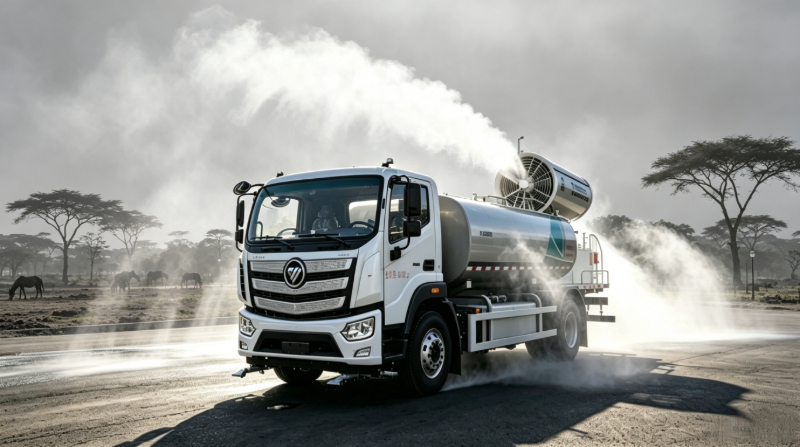
Not all cleaning vehicles are equally suitable for Kenya’s operating conditions. Buyers should evaluate several important factors before investing.
1. Fewer refills, more hours on site
The bigger the water tank, the longer you can keep working before you have to stop and refill. That’s a big deal for remote industrial sites, mining operations, or large city‑wide cleaning jobs.
As for what tank size is best, it really depends on how big your work area is, how often you clean, and how easy it is to get water locally.
2. Pump Performance
How well a high‑pressure cleaning truck works comes down to its pump system. A good pump creates high water pressure. High pressure means stronger cleaning power. The truck can wash away tough dust and dirt. A good pump also delivers steady water flow. Steady flow gives you better spraying coverage. The truck can wet large areas evenly. A reliable pump runs smoothly every day. It rarely breaks down. It needs less maintenance. You spend less time on repairs. You get more work done. In short, a quality pump makes the truck more effective and dependable.
3. Clean 3x more road per hour than manual methods
If the spray covers a wider area, you can get more done in less time. And with adjustable nozzles, you’ve got the flexibility to handle all kinds of different cleaning jobs.
4. Reliable Chassis
If you’re working in tough conditions, you need a truck chassis that can take it. A reliable chassis means less downtime, easier maintenance, and lower costs over the long haul.
Benefits:
- Higher productivity
- Lower maintenance expenses
- Longer vehicle lifespan
- Greater return on investment
Why High Pressure Cleaning Trucks Are a Cost-Effective Solution?
Some organizations hesitate to buy a high‑pressure cleaning truck because of the upfront cost. But over time, it often saves money.
Manual cleaning needs a big crew and takes forever. One truck, on the other hand, can cover a large area fast and do a far more consistent job.
These trucks cut labor costs. They reduce dust problems. They have lower maintenance and environmental expenses.
They also help meet Kenya’s regulations. Vision 2030 is the country’s long‑term plan. Under Vision 2030, environmental sustainability is a key pillar for infrastructure growth. Cleaner roads give a better public image. They also give happier workers. And stronger environmental performance.
So for cities, industrial sites, mines, and contractors across Kenya, buying a high‑pressure cleaning truck isn’t just about cleaning. It’s a smart investment. In safety. In sustainability. In efficiency
Conclusion
Kenya builds more roads every year. More factories. More neighborhoods. So dust will become a bigger problem. Dust isn’t just annoying. It affects people’s health. It affects road safety. It hurts the environment. It also affects how businesses run. You can’t ignore it.
A high‑pressure cleaning truck is simple. It’s proven. It gets dust under control. Use it in cities. Use it in industrial parks. Use it on construction sites. Or in mines. These trucks wash roads. They spray water where needed. They help create cleaner spaces. Safer spaces, too. And they save you money in the long run.
Is your organization ready to take control of dust pollution and build a cleaner, healthier future in Kenya? Contact us today to learn how a high pressure cleaning truck can help.