In developing countries across Africa, Southeast Asia, and Central Asia, cement transportation remains one of the biggest bottlenecks in infrastructure projects. High material loss, slow unloading, poor road conditions, and rising costs continue to eat into project profitability. Bulk cement tanker trucks (also known as pneumatic dry bulk trailers) are changing this reality.
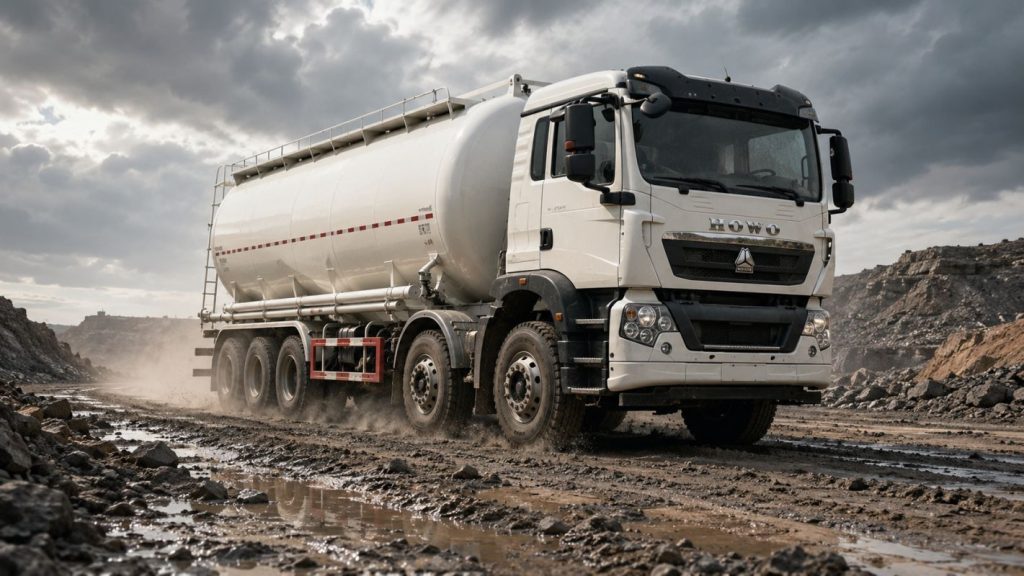
Table of Contents
The 4 Major Problems & Solutions
Problem 1: Bagged Cement — The Hidden Efficiency Killer
In many emerging economies, cement is still moved in 50kg paper bags. This leads to significant material loss, significant labor costs, and environmental risks. According to industry reports, the paper bag damage rate is generally about 10%, sometimes as high as 30%, and the cement loss is generally 2.5% ~ 5.0%. When bulk cement is transported in sealed containers, the loss can be reduced to 0.5%. At the same time, bagged cement is prone to qualitative change during storage, especially high-grade cement. After half a year of bagged storage, the average strength of bagged cement decreases about 20%, while bulk cement is not easily affected by moisture and deterioration due to sealed storage.
How Does a Pneumatic Dry Bulk Trailer Work?
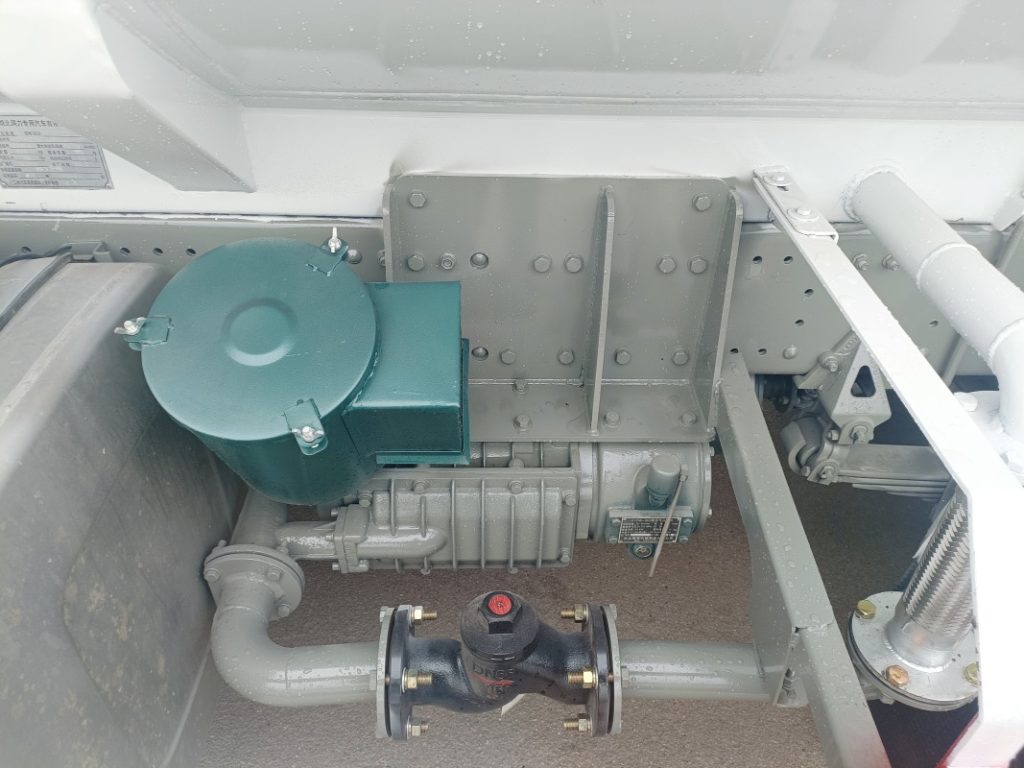
We use a built-in air compressor to fluidize the cement in the tank. This lets the cement flow easily and discharge fast via pipelines, so unloading is much quicker — just 30 to 50 minutes per batch.
These dry bulk tank trailers range from 20 to 50 cubic meters in capacity. Since loading and unloading happen in a fully closed system, material residue and waste are kept to a minimum. No matter what you call it, pneumatic tank trailer or bulk cement tanker, its core function is simple: to transport dry bulk materials efficiently and cleanly.
Problem 2: Poor Road Conditions Destroy Equipment
In many developing countries, roads are of poor quality: unpaved, riddled with potholes, and prone to damage during rainy seasons. Standard highway truck chassis won’t withstand this environment. For example, long-term vibration, dust, and impacts will not only crack the frame and damage the suspension, but also wear down major components. This leads to frequent breakdowns, high maintenance costs, and shorter vehicle life.
Bulk cement tanker trucks for developing countries are specifically engineered to withstand these harsh conditions. Its chassis is reinforced to take heavy shocks, and the steel tank is durable against wear, corrosion, and impact. We also have optional parts: dual condensers for hot areas, heavy-duty air filters for dusty environments. All these rugged designs ensure the vehicles keep running reliably on rough roads.
Problem 3: Cross-Border Logistics and Regulatory Inconsistencies
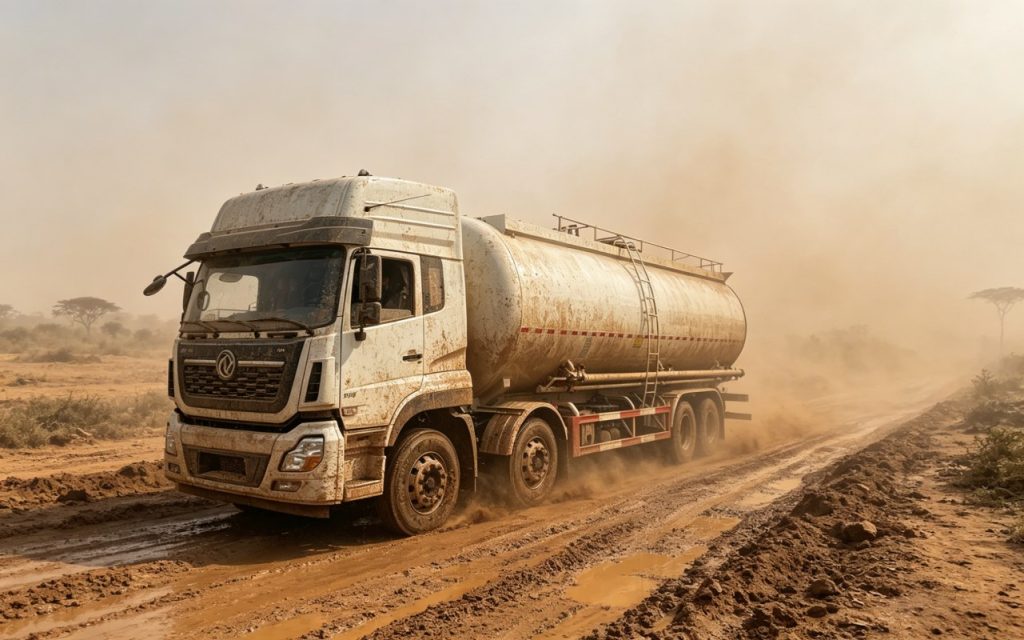
According to the International Road Transport Union (IRU), different countries impose varying axle load and emission standards. Pneumatic dry bulk trailers with multi-axle configurations comply with local road weight limits while maintaining high payload. The enclosed transport mode also reduces border inspection delays.
Problem 4: High Logistics Costs Eat into Profit Margins
Transportation cost is often the make-or-break variable for project profitability.
The Economic Value of Bulk Cement Tanker Trailers
- Higher payload – capacities ranging from 30 to 45 m³ carry 35-45 tons per load.
- Unloading times cut from hours to under one hour.
- Near-zero cargo loss.
Bulk Cement Tankers for Developing Countries: Regional Performance
Sub‑Saharan Africa: Although roads are rough and cargo losses are high, a bulk cement tanker’s reinforced chassis and wear‑resistant tank survive unpaved terrain while minimising product loss.
Southeast Asia: For dispersed sites and tight deadlines, a bulk cement tanker uses on‑site pneumatic pumping to eliminate double handling, so one trailer can replace multiple bagged trucks.
Central Asia & Middle East: Despite extreme heat, dust, and cross‑border hurdles, a bulk cement tanker’s dual condensers, heavy‑duty air filters and multi‑axle design handle harsh conditions and regulatory checks reliably.
Cost Comparison: Bulk vs. Bagged Cement Transport
| Metric | Bagged Cement | Bulk Cement Tanker Truck | Cost Impact / Savings |
|---|---|---|---|
| Packaging cost | ~$5–10 per ton (bags, stitching, pallets) | $0 | Save $5–10/ton |
| Unloading time | 3–5 hours (manual labor & equipment) | 30–50 minutes (pneumatic) | Reduce labor & demurrage costs by ~70–80% |
| Transport loss | 8–12% (tears, spillage, theft) | <0.5% (sealed system) | Save ~$8–12/ton of lost product |
| Labor required | 4–6 workers per shift | 1–2 operators | Cut labor cost by ~60–75% |
| Total estimated cost per ton | $20–35 | $10–18 | Up to 50% lower |
Conclusion
So, how do you transport bulk cement? The choice is clear: bulk cement tanker trucks deliver lower costs, less waste, faster unloading, and better durability on rough roads. For contractors and logistics operators in developing countries, switching from bagged to bulk is one of the fastest ways to improve profitability.
Ready to upgrade your cement transportation fleet?
Contact our team today for a free consultation and customized bulk cement tanker truck recommendation tailored to your country’s road conditions and project needs.